
Call Us Now
+65 6256 5939Email Us At
business@modular-infotech.com.sg- CONSULTATION
Digitization of Fine art paintings and antique Work of art
Digitization of fine art paintings and antique works of art is the process of creating high-quality digital versions of physical artworks so they can be preserved, studied, shared, or reproduced without risking damage to the original pieces. Museums, galleries, and collectors commonly digitize artworks to protect cultural heritage and make collections accessible worldwide.
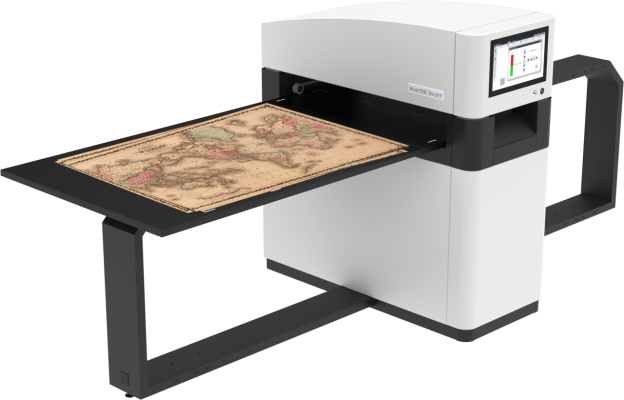
We have specialized digitization of such rare fine art paintings and antique work and we are using one of the state of the art scanner Widetek 36 Art to scan these artefacts
Main reason to digitize Fine Art and Antiques
1. Preservation
- Protects fragile paintings, manuscripts, sculptures, and artifacts from handling.
- Creates a permanent digital archive in case the original is damaged.
2. Accessibility
- Allows people worldwide to view collections online.
- Used in virtual museum tours and digital archives.
3. Research and Documentation
- Scholars can analyze brush strokes, pigments, or deterioration over time.
- Enables comparison between artworks across institutions.
4. Reproduction
- High-resolution images can be used for prints, books, catalogs, or exhibitions.
Best way to scan such artefacts is using Large-Format Scanning
WideTEK® 36 ART enables contact free scanning of works of art like oil and acrylic paintings, watercolors, charcoal and pastel drawings, mixed media collages and antique works of art; at 600dpi in formats up to 914 x 1524mm / 36 x 60 inches.
Specialized art scanners capture extremely detailed images.
Best for artworks such as:
- Prints
- Maps
- Documents
- Photos with frames
Important Digitization Standards
Professional digitization follows strict standards:
1. Resolution: 300–1200+ DPI
2. Color profile: Adobe RGB or sRGB
3. File formats:
- oTIFF (master archival file)
- oJPEG/PNG (distribution copies)
Typical Digitization Workflow
1.Artwork inspection and condition assessment
2.Lighting and camera setup
3.Color calibration
4.High-resolution capture
5.Image processing and color correction
6.Metadata documentation (artist, year, materials, location)
7.Archival storage and digital cataloging